
What is Cyber Security? Complete Guide for Modern Businesses
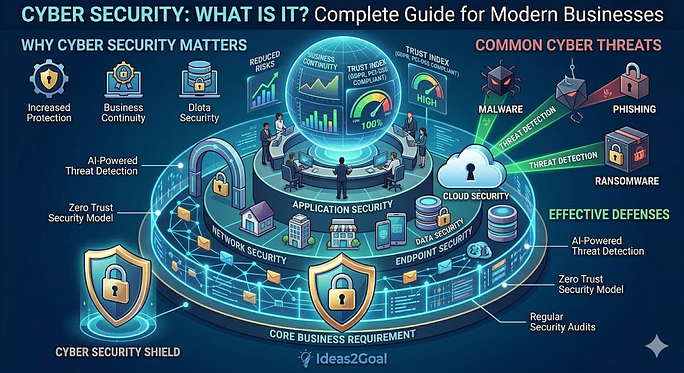
In today’s digital-first world, businesses rely heavily on technology, cloud platforms, software systems, and connected devices. While digital transformation brings efficiency and innovation, it also introduces serious security risks.
Cyber security is no longer optional — it is a core business requirement.
Whether you run a startup, enterprise, or eCommerce platform, understanding cyber security helps protect sensitive data, maintain customer trust, and ensure business continuity.
This guide explains cyber security from a business perspective and why organizations must prioritize it in 2026 and beyond.
Understanding Cyber Security
Cyber security refers to the practice of protecting systems, networks, applications, and data from digital attacks.
These attacks aim to:
- Steal sensitive information
- Disrupt operations
- Gain unauthorized access
- Demand ransom payments
- Damage brand reputation
Modern organizations store massive volumes of digital data — customer information, payment records, intellectual property, and internal communications. Cyber security ensures this information remains safe from malicious actors.
Why Cyber Security is Important for Businesses
Cyber threats have evolved dramatically. Companies today face attacks not only from individual hackers but also organized cybercrime groups.
Key reasons cyber security matters:
1. Data Protection
Customer and business data are valuable assets. Security systems prevent unauthorized access and breaches.
2. Business Continuity
Cyber attacks can shut down operations for days or weeks. Security planning ensures minimal downtime.
3. Regulatory Compliance
Industries must comply with GDPR, HIPAA, PCI-DSS, and other security standards.
4. Customer Trust
Clients trust businesses that protect their personal information.
5. Financial Protection
Cybercrime costs organizations millions every year due to recovery expenses and legal penalties.
Common Types of Cyber Threats
Understanding threats helps organizations build strong defenses.
Malware
Malicious software designed to damage systems or steal data.
Phishing Attacks
Fake emails or websites trick users into revealing passwords or financial information.
Ransomware
Attackers encrypt business data and demand payment to restore access.
Distributed Denial of Service (DDoS)
Overwhelming servers with traffic to shut down services.
Insider Threats
Employees or partners unintentionally or intentionally causing security risks.
Core Components of Cyber Security
Effective cyber security involves multiple layers of protection.
Network Security
Protects internal networks from unauthorized access.
Application Security
Ensures software and apps are built with secure coding practices.
Cloud Security
Safeguards cloud environments and remote infrastructure.
Endpoint Security
Protects laptops, mobile devices, and IoT systems.
Data Security
Encrypts and secures sensitive information.
Types of Cyber Security Solutions
Businesses typically implement:
- Firewall Protection
- Intrusion Detection Systems
- Identity & Access Management
- Data Encryption
- Security Monitoring
- Threat Intelligence Systems
A professional cyber security partner evaluates business risks and builds customized protection strategies.
Cyber Security Challenges Businesses Face
Organizations struggle with:
- Rapid digital transformation
- Remote workforce security
- Increasing attack sophistication
- Lack of skilled security professionals
- Legacy infrastructure vulnerabilities
This is why companies increasingly outsource cyber security services.
Benefits of Cyber Security for Organizations
Reduced Business Risks
Prevents operational disruptions.
Strong Brand Reputation
Customers trust secure companies.
Cost Savings
Prevention costs far less than breach recovery.
Improved Productivity
Secure systems enable uninterrupted workflows.
Compliance Assurance
Helps meet international regulatory standards.
Cyber Security Best Practices
Businesses should follow:
- Multi-factor authentication
- Regular security audits
- Employee awareness training
- Data backups
- Secure software development
- Continuous monitoring
Cyber security must be proactive, not reactive.
Future of Cyber Security
Emerging technologies are reshaping cyber defense:
- AI-powered threat detection
- Zero Trust Security Models
- Cloud-native security
- Behavioral analytics
- Automated response systems
As cyber threats evolve, businesses must invest in advanced security strategies.
How a Cyber Security Company Helps
A professional cyber security company provides:
- Risk assessment
- Security architecture design
- Threat monitoring
- Incident response
- Compliance consulting
- Managed security services
Partnering with experts ensures scalable and future-ready protection.
Conclusion
Cyber security is the foundation of digital business success. Organizations that prioritize security protect their operations, customers, and reputation.
In a connected world, strong cyber security is not an IT expense it is a strategic investment.